
Selling Old Machinery or Office Equipment: GST and the Input Credit You May Owe
When you sell a used capital asset on which you claimed input tax credit, you pay the higher of GST on the sale price or the credit taken reduced by five percentage points for each quarter since purchase. Assets written off or destroyed lose their credit. Special rules apply to some used vehicles.
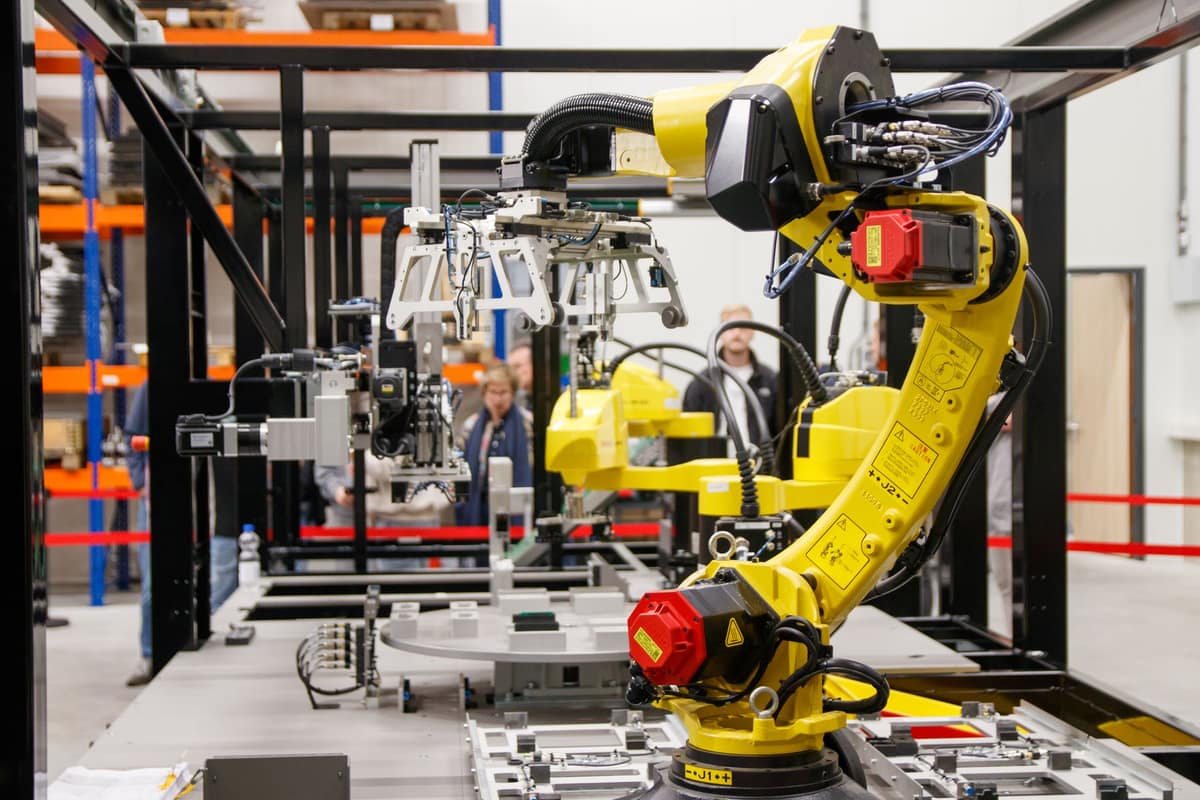
A factory upgrades its machines and sells the old ones. An office sells its laptops. Both are taxable sales under GST, and there is an extra rule for assets on which credit was claimed.
The rule
When you sell or transfer a capital asset on which you took input tax credit, you pay the higher of:
- GST on the sale price (the transaction value); or
- the credit you took, reduced by 5 percentage points for every quarter (or part of a quarter) since the date of the purchase invoice.
This comes from Section 18(6) of the CGST Act and the related rules. The idea is that credit on an asset is "used up" over five years (20 quarters).
A worked example
A Morbi tile maker bought a press for ₹20 lakh plus ₹3.6 lakh GST in October 2023 and claimed the credit. It sells the press in October 2026 for ₹8 lakh.
| Item | Working | Amount |
|---|---|---|
| Quarters since purchase | Oct 2023 to Oct 2026 (part quarter counts) | 13 |
| Credit reduction | 13 × 5% = 65% | |
| Credit to compare | ₹3.6 lakh × 35% | ₹1,26,000 |
| GST on sale price | ₹8 lakh × 18% | ₹1,44,000 |
| Pay the higher | ₹1,44,000 |
Here the GST on the sale is higher, so the maker charges ₹1.44 lakh on the invoice. If it had sold the press for ₹4 lakh, GST on the sale (₹72,000) would be lower than ₹1.26 lakh, and it would have to pay ₹1.26 lakh.
Other cases
- ✓No credit taken on the asset: charge GST on the sale price at the applicable rate.
- ✓Asset scrapped or written off: credit on goods written off, lost or destroyed is blocked, so reverse any remaining credit as advised.
- ✓Used motor vehicles: special valuation rules apply to some sales of old vehicles. Check the current notification.
- ✓Selling to a related party: use open market value.
Frequently asked questions
Is the sale of an old asset part of my turnover?
Yes, it is a taxable supply and counts in aggregate turnover.
Do I issue an e-invoice?
Yes, if you are covered by e-invoicing.
Is there an income-tax effect?
Yes. The sale price reduces the block of assets for depreciation.
Sources
This is a summary, not legal advice. Confirm with your chartered accountant.

Written by
Founder, Airwix Technologies (Sleet)
Vatsal Sutariya is the founder of Airwix Technologies in Ahmedabad, the company that builds Sleet: SleetHR for HR and payroll, and Sleet Accounting for GST billing and books. He writes about GST, invoicing, business tax and choosing software for Indian businesses, and checks each rule against the official notification before it is published.
LinkedIn profile →