
Free Samples and Buy-One-Get-One Offers: When GST Credit Survives and When It Must Be Reversed
Goods given away as free samples are not a supply under GST, so no tax is charged, but you lose the input credit on what went into them under Section 17(5)(h). A buy-one-get-one or free-gift-with-purchase offer is different: CBIC treats it as two goods sold for one price, so GST is charged on that price and your credit stays.
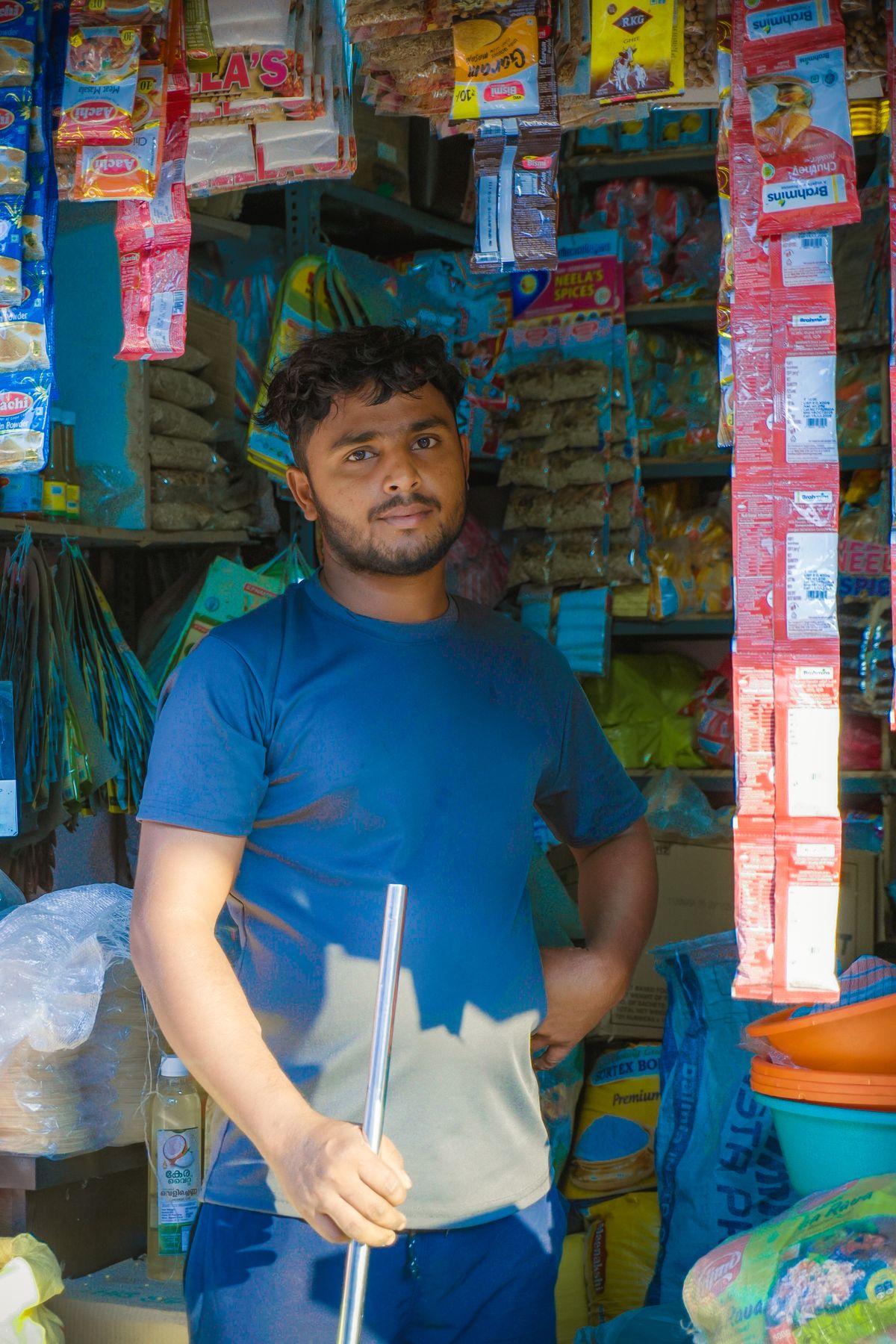
Festive schemes bring free sachets, "buy 2 get 1" packs and a free tumbler with every carton. Each is treated differently under GST. Getting it wrong means either tax that was never due, or input credit that a GST audit will disallow with interest.
The rule in one table
CBIC Circular No. 92/11/2019-GST, dated 7 March 2019, sets out the treatment of sales promotion schemes.
| Scheme | Is it a supply? | GST on what? | Input tax credit |
|---|---|---|---|
| Free samples, no consideration | No (unless Schedule I applies) | Nothing | Reverse credit on inputs, input services and capital goods used for them |
| Buy-one-get-one, free item with a purchase | Yes, two supplies for one price | The single price charged | Available |
| Discount shown on the invoice, including "buy more, save more" | Yes | Price after discount | Available |
| Samples or gifts to a related person or your own branch in another state | Yes, under Schedule I | Value under the valuation rules | Available |
Free samples: no tax, but no credit
A supply needs consideration. Samples given free to doctors, stockists, retailers or potential customers have none, so they are not a supply and you charge no GST on them.
But Section 17(5)(h) of the CGST Act blocks credit on goods "disposed of by way of gift or free samples". The circular confirms that no credit is available on the inputs, input services and capital goods to the extent they are used for free samples or gifts given without consideration.
In practice:
- ✓If you buy goods specifically to give away, do not claim the credit at all.
- ✓If samples come out of your normal production, reverse the credit on the inputs used in the samples, in GSTR-3B Table 4(B)(1), in the month they are given away.
- ✓Keep a sample register: date, quantity, recipient type and the value at cost. It supports the reversal figure.
The Schedule I exception. If samples go to a related person, or are sent to your own registration in another state, the transfer is a supply even without consideration. You then pay tax on the value worked out under the valuation rules, and keep the credit.
Buy-one-get-one: one supply at one price
"Buy one soap, get one free" or "free toothbrush with toothpaste" looks like a free supply. CBIC says it is not. It is two or more supplies for a single price, at best two goods for the price of one.
- ✓GST is charged on the price actually charged for the bundle.
- ✓Credit stays on the inputs, input services and capital goods used for the offer, including the bought-in free item.
- ✓The rate depends on whether the bundle is a composite supply (taxed at the rate of the principal supply) or a mixed supply (taxed at the highest rate among the items), under Section 8.
Most BOGO packs of two different products sold for one price are mixed supplies. A free item of the same product, like an extra bar of the same soap, is simply more quantity at the same rate.
Discounts
Discounts shown on the invoice reduce the taxable value, and credit stays. Volume or year-end discounts given later through credit notes reduce your output tax only if the conditions of Sections 15(3) and 34 are met, including the buyer reversing the matching credit. If they are not met, you can still give a commercial credit note without reducing your GST.
Gifts to dealers and clients (as opposed to samples or BOGO) also fall under Section 17(5)(h), and may attract TDS for the recipient if above ₹20,000 a year.
A worked example
A detergent maker in Pune runs a Diwali scheme in October 2026. Its detergent is taxed at 18%, and the steel tumblers it buys in are taxed at 5% (check the HSN rate for your own goods).
Part 1: free tumbler with every 5 kg pack.
- ✓10,000 combo packs sold to distributors at ₹450 each = ₹45,00,000.
- ✓It is a mixed supply, so the highest rate among the items applies: 18%.
- ✓GST on the sale: ₹45,00,000 × 18% = ₹8,10,000.
- ✓Tumblers bought: 10,000 × ₹40 = ₹4,00,000, GST at 5% = ₹20,000. This credit is kept, because the tumblers are part of a taxable supply.
Part 2: free 50 g sachets to kirana shops.
- ✓5,000 sachets given away, with input cost of ₹6 each = ₹30,000.
- ✓Credit taken on those inputs at an average of 18%: ₹30,000 × 18% = ₹5,400.
- ✓The sachets are not a supply, so no GST is charged on them.
- ✓₹5,400 is reversed in Table 4(B)(1) of the October GSTR-3B.
Net effect. Output tax of ₹8,10,000 on the combos, credit of ₹20,000 retained on the tumblers, and ₹5,400 of credit reversed on the samples.
If the company had charged GST on the free tumblers separately, it would have paid tax twice. If it had kept the ₹5,400 of credit on samples, an audit could demand it with 18% interest.
Common mistakes
- ✓Raising a "free" invoice for the BOGO item at zero value and reversing credit on it. The circular treats it as part of the paid supply.
- ✓Treating promotional samples sent to your own branch in another state as free. That is a Schedule I supply.
- ✓Not tracking sample quantities, so the reversal is guessed at audit time.
- ✓Printing "free" on the invoice without the bundle price. Show the bundle and the single price clearly.
Frequently asked questions
Do I need to issue an invoice for free samples?
No tax invoice is needed because there is no supply. Use a delivery challan when the goods move, and record them in your stock and sample register.
Is credit reversed on the whole product or only the inputs?
On the inputs, input services and capital goods to the extent used in the samples. For goods bought specifically to give away, that is the full credit on them.
Is a "buy 2, get 1 free" scheme taxed on three units?
No. GST is charged on the price paid for the bundle. The third unit is part of that supply, not a separate free supply.
Does the BOGO rule apply to services?
The circular covers goods or services or both offered in such schemes, so a free service bundled with a paid one is treated the same way.
Sources
- ✓Circular No. 92/11/2019-GST on sales promotion schemes, GST Council
- ✓West Bengal trade circular reproducing Circular 92/11/2019-GST
This is a summary, not legal advice. Confirm the treatment of your scheme against the circular on cbic-gst.gov.in and with your GST adviser.

Written by
Founder, Airwix Technologies (Sleet)
Vatsal Sutariya is the founder of Airwix Technologies in Ahmedabad, the company that builds Sleet: SleetHR for HR and payroll, and Sleet Accounting for GST billing and books. He writes about GST, invoicing, business tax and choosing software for Indian businesses, and checks each rule against the official notification before it is published.
LinkedIn profile →