
SMART Goals: 25 Practical Examples for Employees and Managers
A SMART goal is specific, measurable, achievable, relevant and time-bound. "Improve customer service" becomes "raise the support satisfaction score from 82 to 90 percent by the end of Q2 by closing queries within one working day". Start from the outcome you want, add a number and set a date.
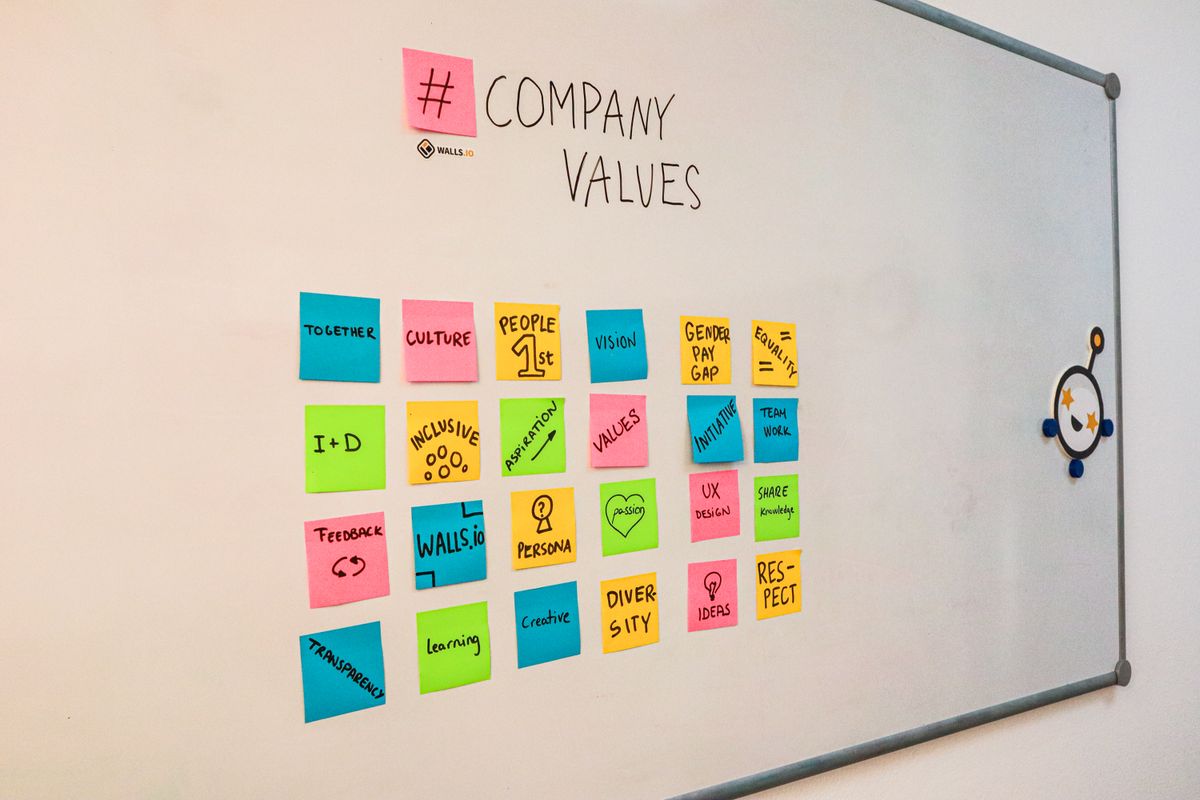
SMART goals are goals that are specific, measurable, achievable, relevant and time-bound. The framework is simple, and its value is that it forces clarity. A goal like get better at sales becomes a goal that can be tracked and discussed.
The five parts
- ✓Specific: What exactly will you do?
- ✓Measurable: How will you know you did it?
- ✓Achievable: Is it realistic with your resources?
- ✓Relevant: Does it matter to your role and the team?
- ✓Time-bound: By when?

From vague to SMART
Vague: Improve customer service. SMART: Raise the customer satisfaction score for support tickets from 82 to 90 percent by the end of the second quarter by closing queries within one working day.
Examples by function
- ✓HR: Reduce time to hire for engineering roles from 45 days to 35 days by September by introducing structured screening.
- ✓Payroll: Cut payroll corrections from 12 per month to fewer than 4 by the end of the quarter through a pre-run data checklist.
- ✓Sales: Increase qualified leads from 80 to 110 a month by December through two new partner channels.
- ✓Finance: Close monthly books within five working days by March.
- ✓Customer support: Resolve 85 percent of tickets within 24 hours by June.
- ✓Operations: Reduce absenteeism on the shop floor from 6 to 4 percent within six months.
- ✓Engineering: Lower the average bug fix time from 5 days to 3 days by the end of the quarter.
- ✓Learning: Complete an advanced Excel course and apply it to build a dashboard by the end of the next quarter.
- ✓Leadership: Hold one-to-one meetings with every direct report every two weeks for the next six months.

Writing your own
- ✓Start with the outcome you want.
- ✓Add a number that shows progress.
- ✓Set a date and a checkpoint halfway.
- ✓List the first action you will take this week.
Mistakes
- ✓Too many goals, which dilutes focus.
- ✓Goals that describe activity instead of results.
- ✓Targets set without considering resources.
- ✓No review until year-end.
A goal you cannot check progress on is a wish.
Review goals monthly, adjust when circumstances change and celebrate progress. Using goal-tracking software keeps targets visible and linked to broader company priorities.

Written by
HR Manager, Airwix Technologies (Sleet)
Nihit Dobariya is the HR Manager at Airwix Technologies in Ahmedabad, where he runs HR and payroll for the team behind Sleet. He writes about payroll, PF and ESIC, professional tax, the labour codes and everyday HR practice for Indian employers, and checks each rule against the official notification before it is published.
LinkedIn profile →