
Opening a Branch or Warehouse in Another State: GST Registration, Stock Transfers and Payroll
A branch, warehouse or depot in another state needs its own GST registration, and stock transfers between your own GSTINs are taxable supplies needing an IGST invoice and e-way bill. If the receiving branch can claim full credit, the invoice value is accepted. Also register for shops, professional tax and labour laws there.
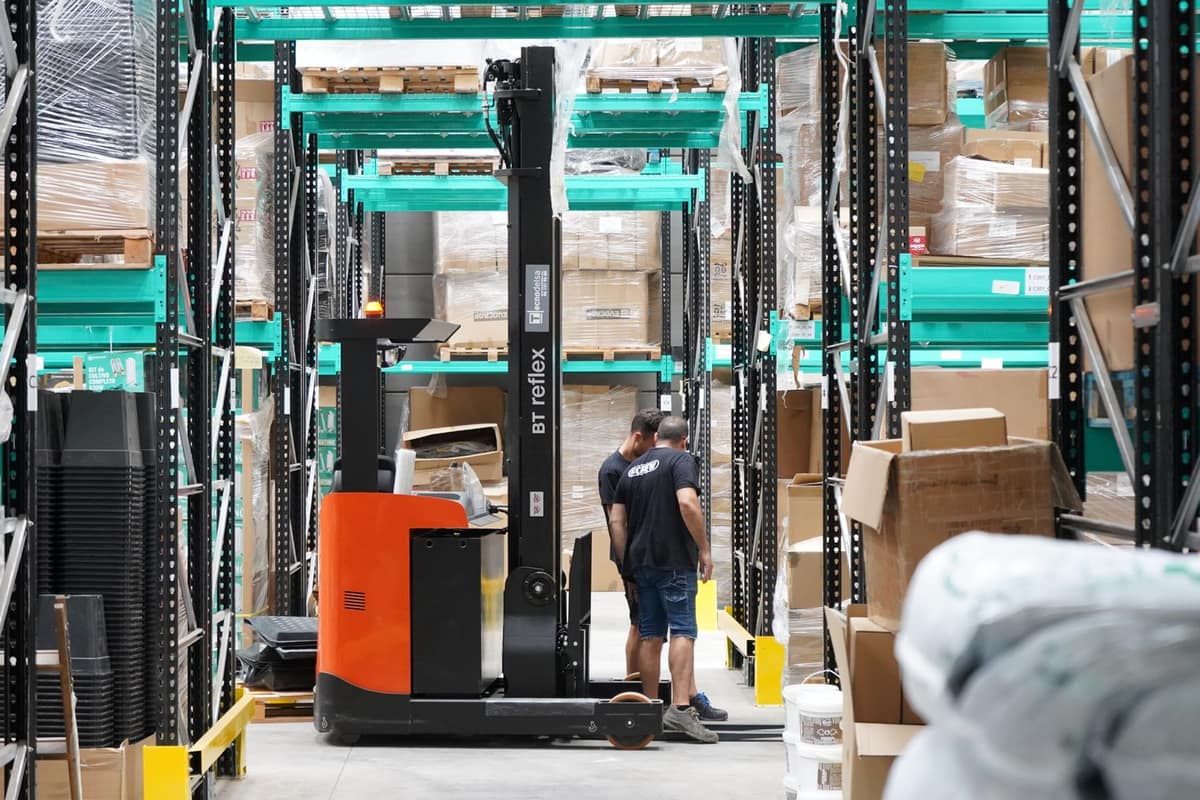
A Gujarat manufacturer opens a depot in Maharashtra to serve customers faster. It is still one company, but under GST the depot is a separate taxpayer.
One state, one GSTIN
You need a separate GST registration in each state where you have a place of business, such as a branch, warehouse, depot or sales office that stores goods or supplies from there. Registrations under the same PAN in different states are treated as distinct persons.
Stock transfers are supplies
Moving goods from your Gujarat GSTIN to your Maharashtra GSTIN is a taxable supply, even though no money changes hands:
- ✓issue a tax invoice, charging IGST;
- ✓generate an e-way bill, and an e-invoice if you are covered;
- ✓the receiving branch claims the IGST as input tax credit.
Value
Use open market value. If the receiving branch is eligible for full credit, the value on the invoice is accepted as open market value, which gives flexibility. Many businesses use cost or cost plus a margin.
Services shared across branches
- ✓Third-party services used by several branches (software, audit, advertising) go through an Input Service Distributor (ISD) registration.
- ✓Services one branch provides to another (management, staff support) may need cross-charging.
Beyond GST
| Area | What to do |
|---|---|
| Shops and establishments registration | Register the new premises under the state's law |
| Professional tax | Register and deduct for employees in states that levy it |
| Labour welfare fund | Check if the state levies it |
| PF and ESI | Existing codes usually cover the branch; register the branch where required |
| Payroll | Apply the state's PT and LWF rules for staff based there |
A setup checklist
- Lease or rent agreement and address proof for the new premises.
- GST registration in the new state, with the premises added.
- Bank account details added to the new GSTIN.
- Billing software set up for the new GSTIN: invoice series, e-invoice, e-way bill.
- Stock transfer process: invoice, e-way bill, receipt entry.
- ISD registration, if you share third-party services.
- Shop and establishment, PT and LWF registrations.
- Payroll set to the new state's rules.
A worked example
A Rajkot pump maker opens a depot in Nagpur. It registers in Maharashtra, transfers pumps at cost plus 5% with IGST invoices and e-way bills, claims the IGST at Nagpur, and charges Maharashtra CGST and SGST on local sales from the depot. Its Nagpur staff are paid with Maharashtra professional tax deducted.
Frequently asked questions
Do I need a separate GSTIN for a second warehouse in the same state?
No. Add it as an additional place of business on your existing registration.
Is there GST cost on stock transfers?
Not if the receiving branch can claim full credit. It is a cash-flow timing issue.
Do I file separate returns for each GSTIN?
Yes. Each GSTIN files its own returns.
Sources
This is a summary, not legal advice. Confirm with your chartered accountant.

Written by
Founder, Airwix Technologies (Sleet)
Vatsal Sutariya is the founder of Airwix Technologies in Ahmedabad, the company that builds Sleet: SleetHR for HR and payroll, and Sleet Accounting for GST billing and books. He writes about GST, invoicing, business tax and choosing software for Indian businesses, and checks each rule against the official notification before it is published.
LinkedIn profile →