
E-Way Bill Limits: The 180-Day Document Rule and the 360-Day Extension Cap
Since 1 January 2025, an e-way bill cannot be generated for a document dated more than 180 days earlier, and cannot be extended beyond 360 days from generation. For goods that move long after invoicing, issue a fresh delivery challan for the movement and generate the e-way bill on that.
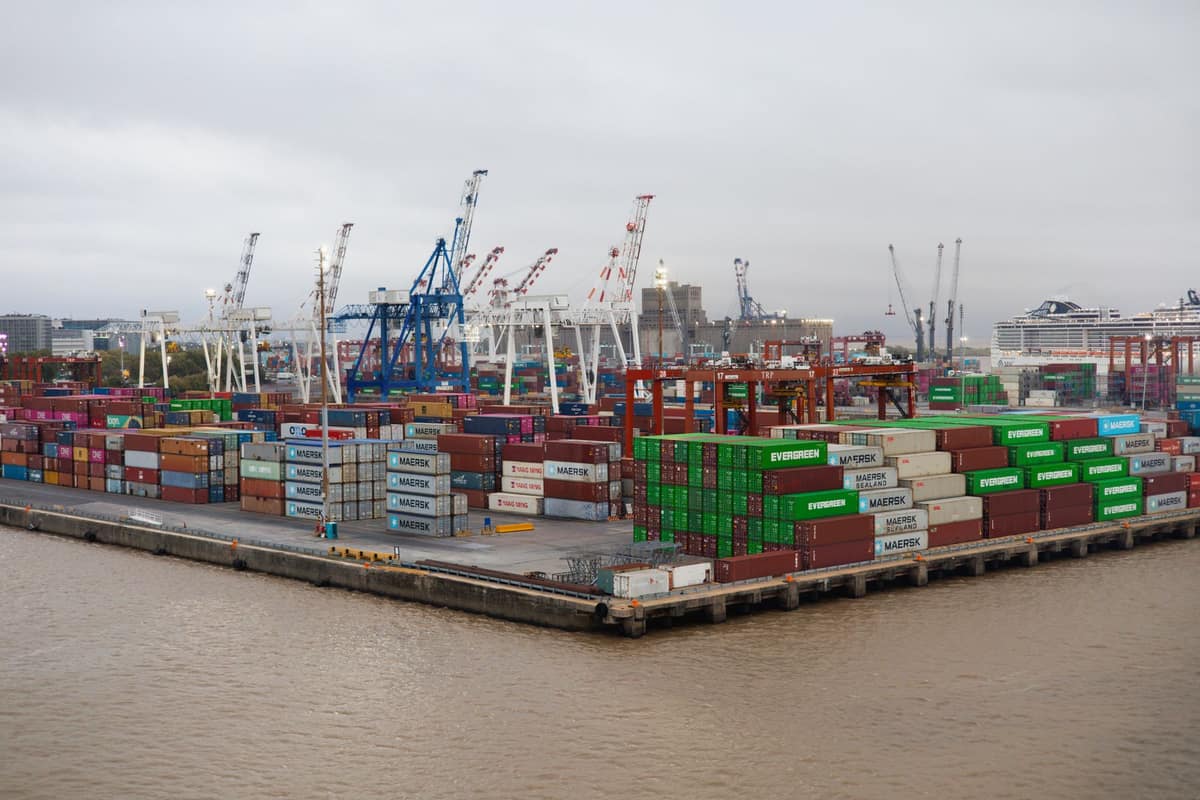
A dispatch clerk tries to generate an e-way bill and the portal refuses. The invoice is from March, and it is now October. Since 1 January 2025, the e-way bill system has two time limits that catch businesses that move goods long after the paperwork.
The two limits
- 180-day document rule. An e-way bill cannot be generated for an invoice, bill of supply or delivery challan dated more than 180 days before the day you generate it.
- 360-day extension cap. An e-way bill can be extended, but not beyond 360 days from the day it was first generated.
Who runs into them
| Situation | Why it hits the limit |
|---|---|
| Goods invoiced (bill-to-ship-to) but held at your godown for months | The invoice is older than 180 days when the goods finally move |
| Machinery sent for repair and returned much later | The original challan is old |
| Exhibition or approval stock moving back and forth | Documents reused across months |
| Consignment stuck because of a dispute or accident | Repeated extensions reach 360 days |
What to do
- ✓Goods moving for the first time on an old invoice: issue a fresh delivery challan for the movement, with a reference to the original invoice, and generate the e-way bill on the challan. Confirm the approach with your CA, because the reason for the movement matters.
- ✓Repair and job-work returns: use a new delivery challan for the return journey.
- ✓Long delays in transit: settle the reason early. After 360 days the e-way bill cannot be extended, so the goods would need a new document and e-way bill.
Validity and extension, in brief
- ✓Validity depends on distance: generally one day for every 200 km for normal cargo, and one day for every 20 km for over-dimensional cargo.
- ✓An extension can be requested within 8 hours before or after the e-way bill expires.
- ✓Each extension needs a reason, such as a breakdown, an accident or goods in transhipment.
A worked example
A Vadodara electrical goods dealer invoiced a customer on 10 March 2026 but held the stock at the customer's request. The customer asks for delivery on 12 October 2026, 216 days later. The portal will not accept the March invoice. The dealer issues a delivery challan dated 12 October for the movement, with the March invoice number on it, and generates the e-way bill on the challan.
Frequently asked questions
Does the 180-day rule apply to e-invoices?
It applies to the document used to generate the e-way bill, whether or not it is an e-invoice.
What if the goods are already moving when the e-way bill expires?
Extend it within the 8-hour window. Moving goods on an expired e-way bill can lead to detention and a penalty.
Can I cancel an e-way bill after generating it?
Yes, within 24 hours, if the goods have not been verified in transit.
Sources
- ✓New time limit for e-way bill generation and extension, ClearTax
- ✓Advisory on updates to e-way bill and e-invoice systems, Maharashtra GST
- ✓E-way bill extension limit, Zoho Books
This is a summary, not legal advice. Confirm with your chartered accountant before you rely on it.

Written by
Founder, Airwix Technologies (Sleet)
Vatsal Sutariya is the founder of Airwix Technologies in Ahmedabad, the company that builds Sleet: SleetHR for HR and payroll, and Sleet Accounting for GST billing and books. He writes about GST, invoicing, business tax and choosing software for Indian businesses, and checks each rule against the official notification before it is published.
LinkedIn profile →