
Debit Notes vs Credit Notes: When to Use Each Under GST
A credit note reduces the amount originally invoiced, for example after goods are returned, a post-sale discount or an overcharge, and it lowers the seller's tax liability. A debit note increases it, for an upward price revision or an undercharge. Both must refer to the original invoice number and be reported in the return for the period they are issued.
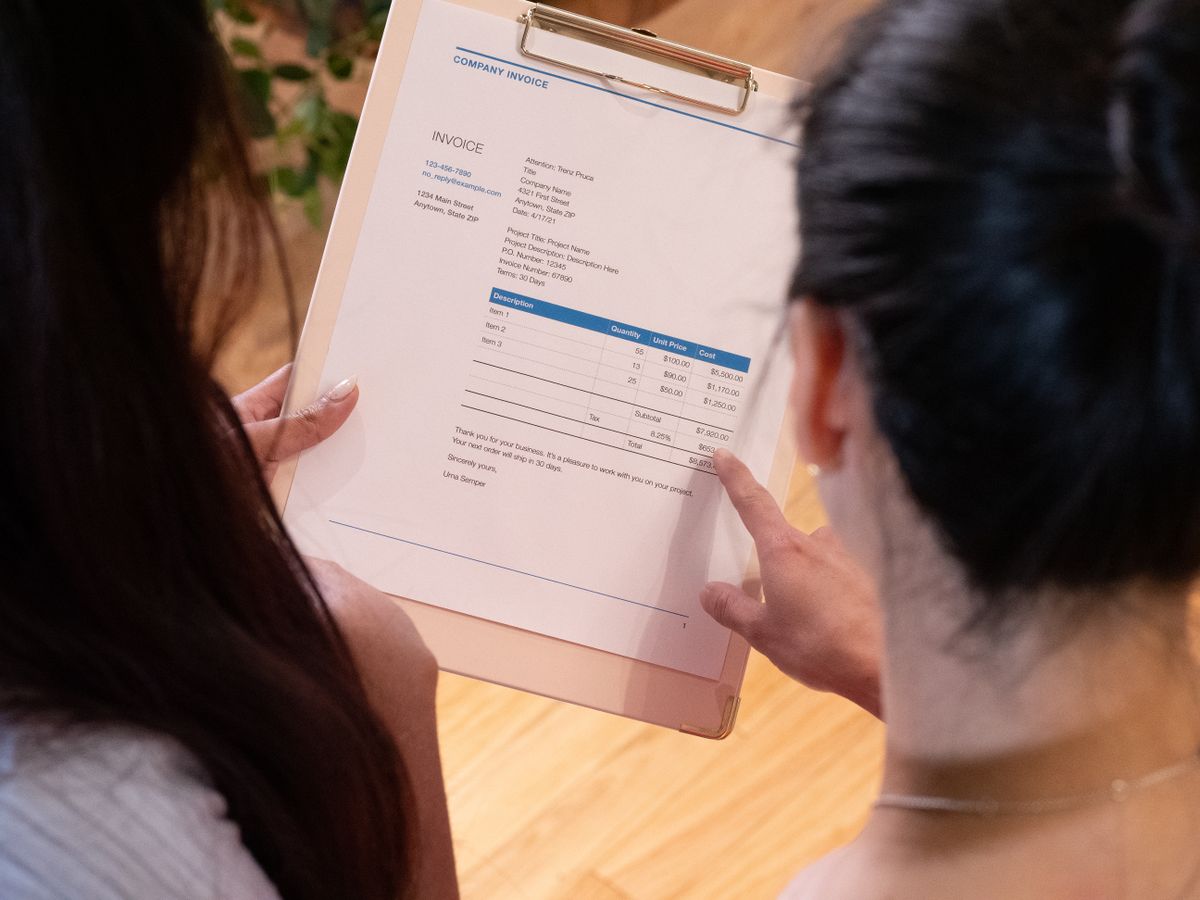
A credit note and a debit note both correct an invoice that has already been issued. They push the value in opposite directions. A credit note reduces what the buyer owes. A debit note increases it. Picking the wrong one creates a mismatch in GST returns that takes time to untangle.
The core difference
| Credit note | Debit note | |
|---|---|---|
| Issued when | The invoiced amount was too high | The invoiced amount was too low |
| Effect on the seller | Reduces tax liability | Increases tax liability |
| Effect on the buyer | Buyer must reduce the credit claimed | Buyer can claim extra credit |
| Common reasons | Goods returned, post-sale discount, overcharge | Price revision upward, extra goods, undercharge |
A simple way to remember: a credit note gives value back to the buyer, and a debit note asks for more.

Examples
- ✓Sales return. The buyer sends back faulty goods, so you issue a credit note.
- ✓Price increase after delivery. A contract rate is revised upward after goods are shipped, so you issue a debit note.
- ✓Quantity error. You billed for 90 units but shipped 100, so you issue a debit note for the 10.
- ✓Volume discount. A year-end discount agreed in the contract is given by a credit note.
What it must contain
- ✓A reference to the original invoice number and date
- ✓The amount and tax adjusted, with the reason
- ✓Your GSTIN and the buyer's details
- ✓A running number from a separate series

Reporting
Both are reported in your GST return for the period in which they are issued, so the buyer's credit and your liability stay in step. If you are required to issue e-invoices, credit and debit notes follow the same system. For a credit note that reduces your tax, the law sets a time limit, so issue it promptly.
Mistakes to avoid
- ✓Cancelling an invoice and issuing a new one when a note would do
- ✓Issuing a note without telling the buyer, who then claims the old credit
- ✓Leaving notes out of GSTR-1 and GSTR-3B
A good habit
Keep a register of notes with the reason, so that at year end every adjustment can be explained.

Written by
Founder, Airwix Technologies (Sleet)
Vatsal Sutariya is the founder of Airwix Technologies in Ahmedabad, the company that builds Sleet: SleetHR for HR and payroll, and Sleet Accounting for GST billing and books. He writes about GST, invoicing, business tax and choosing software for Indian businesses, and checks each rule against the official notification before it is published.
LinkedIn profile →