
Retrenchment Under the Industrial Relations Code: Notice, Compensation and the Reskilling Fund
Under the Industrial Relations Code, a retrenched worker with a year's service gets one month's notice or pay, and 15 days' average pay for each completed year. The employer also pays 15 days' last drawn wages into the worker reskilling fund. Factories, mines and plantations with 300 or more workers need government permission.
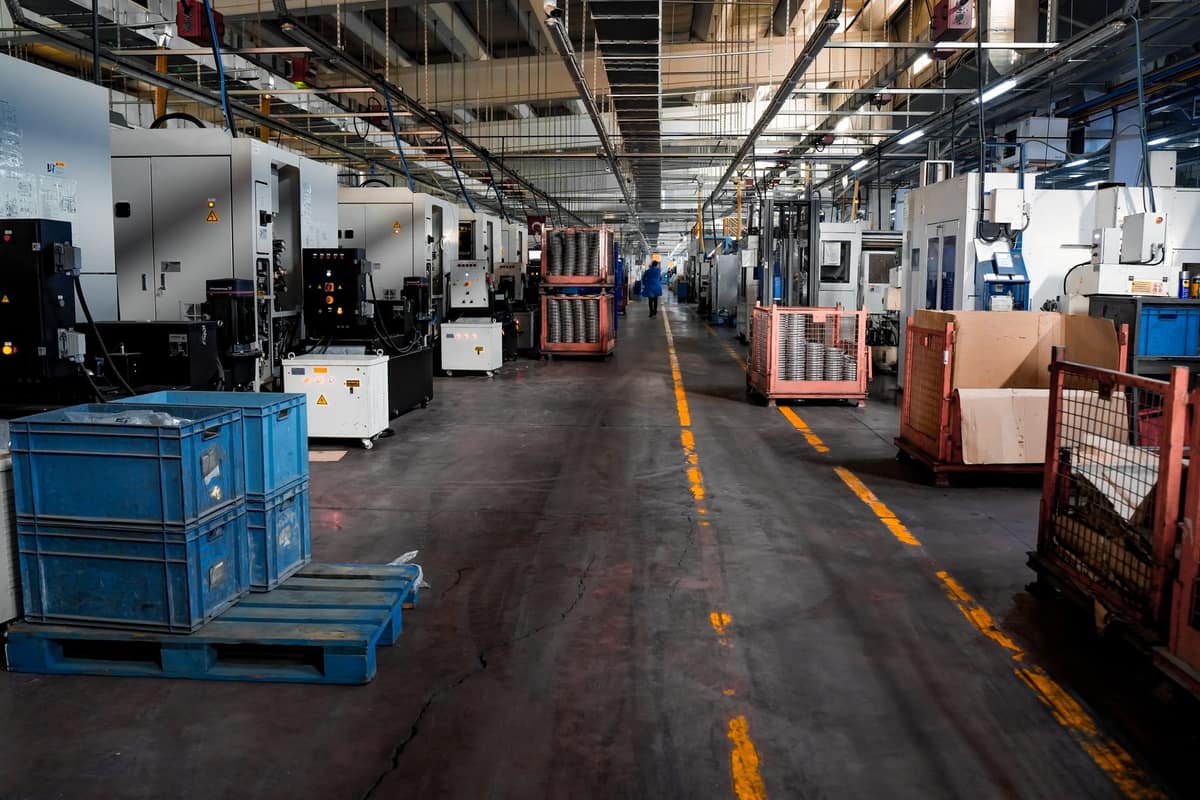
Downsizing is never easy, and getting the law wrong makes it worse: a retrenchment that does not follow the procedure can be set aside, with back wages. The Industrial Relations Code, in force since 21 November 2025, changed both the thresholds and the cost.
The rules for retrenching a worker
For a worker with at least one year of continuous service:
| Requirement | Rule |
|---|---|
| Notice | One month's written notice with reasons, or wages in lieu of notice |
| Retrenchment compensation | 15 days' average pay for every completed year of service (or part over six months) |
| Reskilling fund | Employer pays 15 days' last drawn wages per retrenched worker into the worker reskilling fund |
| Order of retrenchment | Generally last come, first go within a category, unless reasons are recorded |
| Re-employment | Retrenched workers get preference if you hire again |
When government permission is needed
Factories, mines and plantations with 300 or more workers need the appropriate government's permission before layoff, retrenchment or closure, and must give three months' notice. The threshold used to be 100. The same 300-worker threshold now applies to standing orders.
A worked example
A Rajkot forging unit with 180 workers retrenches 12 workers. One of them has 7 years and 8 months of service, and last drawn wages of ₹18,000 a month.
| Item | Working | Amount |
|---|---|---|
| Notice pay (one month) | ₹18,000 | |
| Retrenchment compensation | 8 years (over six months counts) × 15 days × ₹18,000 ÷ 26 | ₹83,077 |
| Reskilling fund | 15 days × ₹18,000 ÷ 26 | ₹10,385 (paid into the fund) |
He also gets gratuity for 8 years, earned wages, and leave encashment.
A checklist
- Record the business reason for retrenchment.
- Apply the selection rule within each category, and document any exception.
- Give one month's notice, or pay in lieu.
- Pay compensation at the time of retrenchment.
- Pay 15 days' wages per worker into the reskilling fund.
- Pay wages within two working days of the exit date, and settle the rest of the dues.
- Keep a re-employment list.
- Check whether you need permission (300 or more workers in a factory, mine or plantation).
Frequently asked questions
Does the Code apply to managers?
Retrenchment protections apply to "workers" as defined in the Code, which excludes most managerial and supervisory staff above a wage limit. Their exit follows their contract.
Is retrenchment compensation taxable?
Retrenchment compensation is exempt up to limits set under the income-tax law. Check the current limit with your CA.
Can we ask workers to resign instead?
A forced resignation can be treated as retrenchment in a dispute. Use the proper process.
Sources
- ✓Industrial Relations Code 2020: key features, factoHR
- ✓Layoff, retrenchment and closure procedure in India, Lawrbit
- ✓Highlights of the Industrial Relations Code, Aparajitha
This is a summary, not legal advice. Confirm with a labour-law professional before acting.

Written by
HR Manager, Airwix Technologies (Sleet)
Nihit Dobariya is the HR Manager at Airwix Technologies in Ahmedabad, where he runs HR and payroll for the team behind Sleet. He writes about payroll, PF and ESIC, professional tax, the labour codes and everyday HR practice for Indian employers, and checks each rule against the official notification before it is published.
LinkedIn profile →